

 Français
Notre-Dame-de-la-Vie, a 17th-century Baroque sanctuary above the Belleville valley
-
 Heritage
-
 2 min read
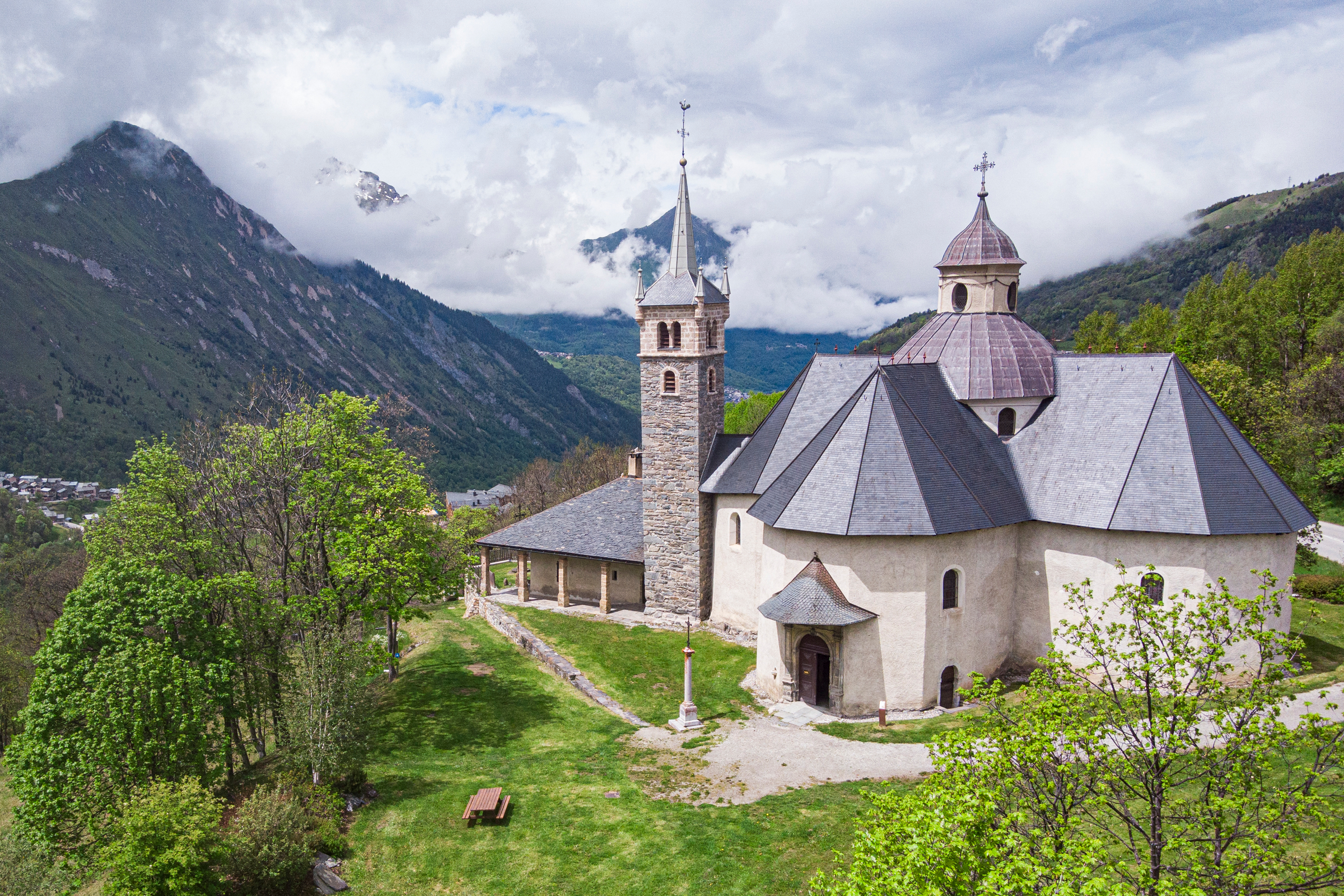
The Notre-Dame-de-la-Vie sanctuary stands on a rocky spur in the upper Belleville valley, level with the village of Saint-Marcel. It is regarded as the most venerated place of pilgrimage in Tarentaise. Listed as a Monument Historique, the 17th-century building has undergone a restoration programme to reinforce its structure and restore its decoration.
In this section
Images
By downloading content, you accept the terms of use.
Resources
By downloading content, you accept the terms of use.
A place of pilgrimage in the heart of the Belleville valley
The sanctuary looks out over the valley from its isolated promontory, close to the village of Saint-Marcel. Its position sets it apart in the religious landscape of Tarentaise, where it holds a leading status. Large pilgrimages drew considerable crowds on 15 August, the Marian feast day, and again in early September.
Accomplished 17th-century architecture
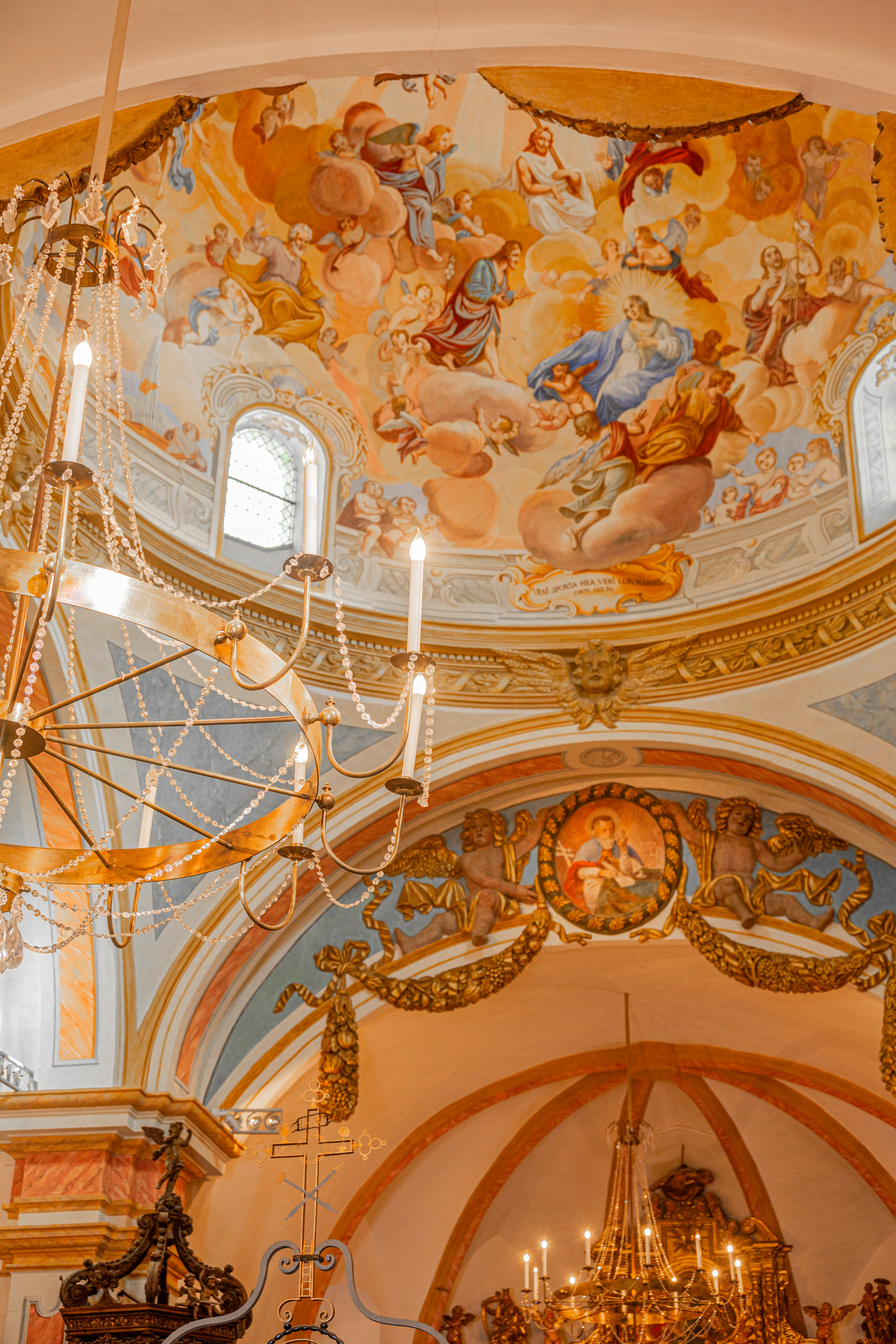
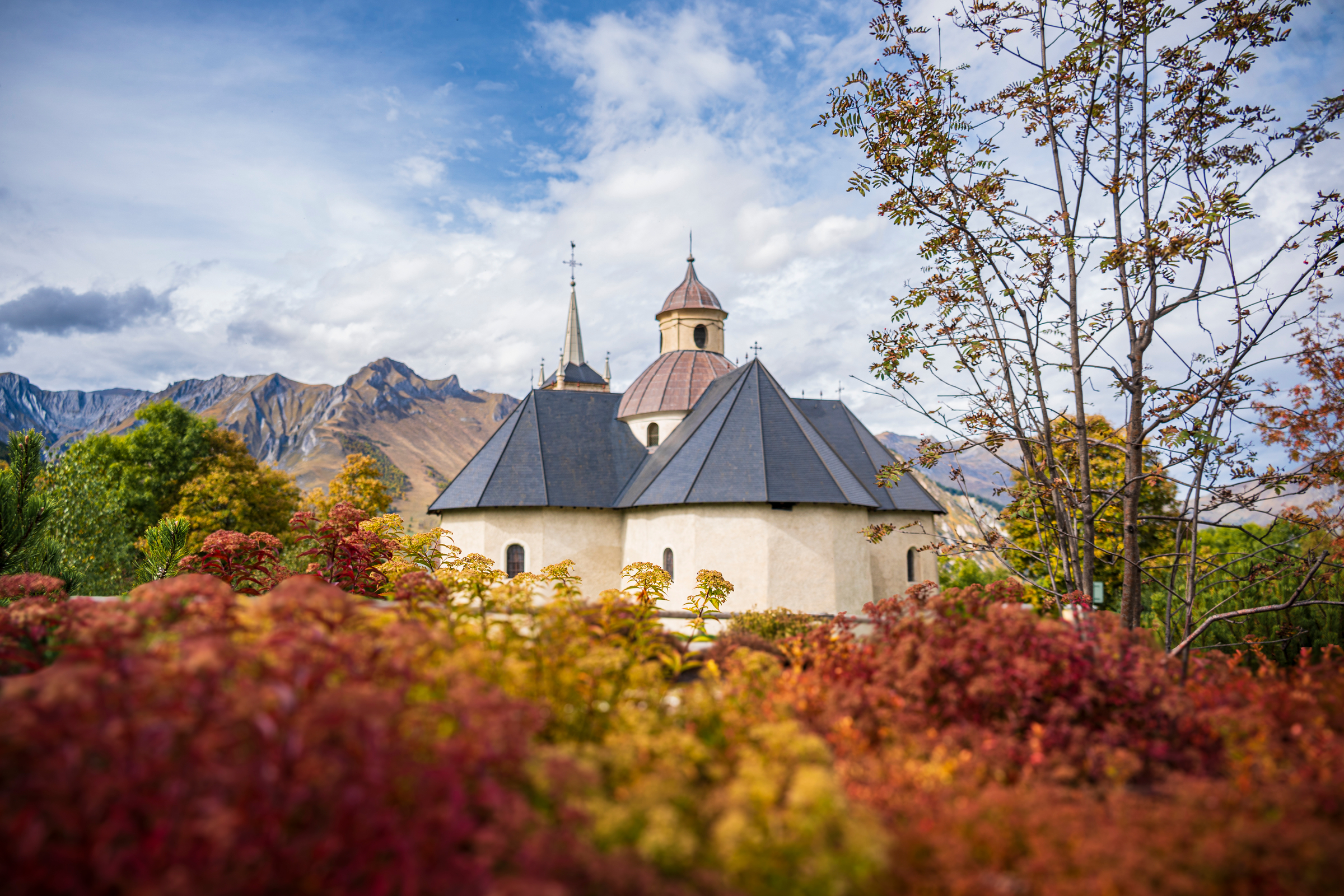
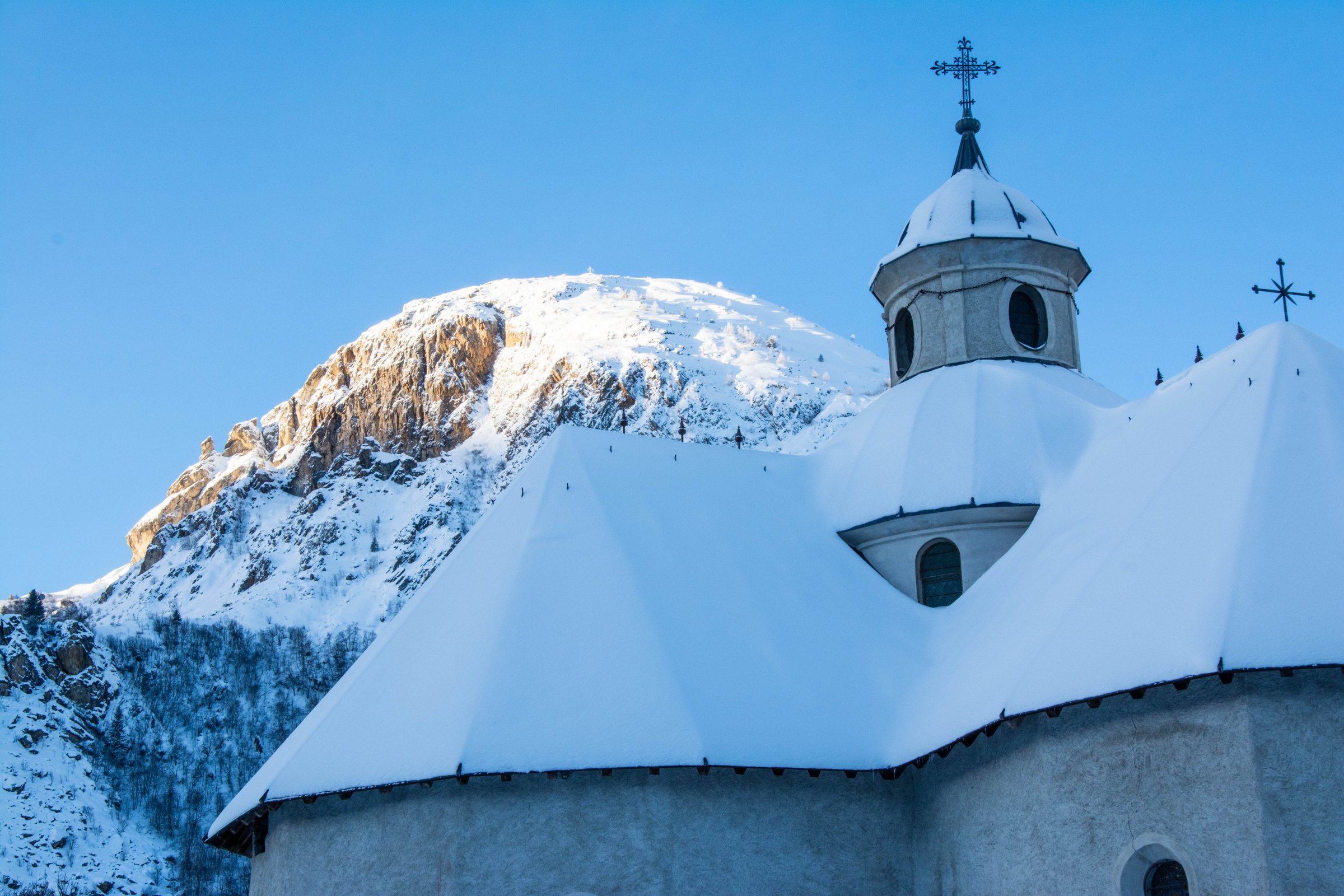
The current building was constructed between 1633 and 1680, on the site of an earlier and more modest sanctuary. The architect Nicolas Deschamps designed it on a centred Greek-cross plan, with a central dome resting on pendentives and topped with a lantern. The frescoes decorating the interior are the work of the Savoyard painter Nicolas Oudeard.
The main altarpiece, carved by the Piedmontese artist Jean-Marie Molino, is rich with sculptures and gilded ornamentation depicting the life of the Virgin Mary. At its centre stands a statue regarded as miraculous. The building's two other altarpieces, plainer in style, sit in the side transepts: the one in the north chapel depicts the Virgin and Child, while the one on the right shows the Assumption of the Virgin.
A €2.6 million restoration programme
Weakened over time, the sanctuary has undergone a restoration programme, prioritising reinforcement of its structure — particularly the pillars supporting the dome — before restoring the interior plasterwork and decoration. The work cost €2.6 million. Funding came from the Commune de Saint-Martin-de-Belleville, with support from the Ministère de la Culture and the Département de la Savoie.
A heritage landmark of Saint-Martin-de-Belleville
The Notre-Dame-de-la-Vie sanctuary is a landmark feature of Saint-Martin-de-Belleville's heritage, echoing the village's identity, which combines mountains, history and Savoyard traditions. It forms part of a wider heritage ensemble alongside the village church, noted for its Baroque splendour, an old bread oven and the local museum devoted to the valley's history.
What sets Notre-Dame-de-la-Vie apart is its setting: religious heritage here sits among hamlets and stone-and-timber chalets, with the peaks of Vanoise as a backdrop. This closeness between historic buildings and mountain surroundings shapes the identity of Saint-Martin-de-Belleville, where monuments and local traditions are part of the experience of the area.
Key points
- The sanctuary, on an isolated spur near the village of Saint-Marcel, is regarded as the most venerated place of pilgrimage in Tarentaise.
- The current building, constructed between 1633 and 1680 on a Greek-cross plan, was designed by the architect Nicolas Deschamps.
- The main altarpiece, the work of the Piedmontese sculptor Jean-Marie Molino, houses a statue regarded as miraculous.
- A restoration programme, funded with €2.6 million by the Commune de Saint-Martin-de-Belleville, the State and the Département de la Savoie, has reinforced the sanctuary's structure and decoration.
- The site forms part of a wider heritage ensemble in Saint-Martin-de-Belleville, alongside the village church, an old bread oven and a local museum.